Lughnasadh: The Bread and the Blade
One of my favorite seasonal festivals is called Lughnsadh, mostly because it brings me toward fall, and I love everything about fall.
Lughnasadh originated in ancient Celtic Ireland, most likely as an agricultural and communal festival tied to the wheat and grain harvest, celebrated around the first of August. The name itself comes from Old Irish and translates roughly to "the gathering of Lugh," referring to the god Lugh, a prominent figure in Irish mythology associated with skill, craftsmanship, and kingship.
The earliest and best documented origin point is the festival's connection to Lugh's foster mother, who according to Irish myth died from exhaustion after clearing the plains of Ireland for agriculture. Lugh is said to have established funeral games in her honor. These games became one of the great annual assemblies of pre-Christian Ireland, combining athletic competitions, matchmaking, trading, and religious rites tied to the harvest. Some of these gatherings are recorded as continuing in some form into the medieval period.
So the festival carries two layered origins that work together rather than against each other: it's fundamentally a harvest festival marking the first cutting of grain, and it's also a mourning and honoring ritual that celebrates the sacrifice that made the harvest possible in the first place. For that reason, the themes of death and gratitude sit closely together in Lughnasadh.
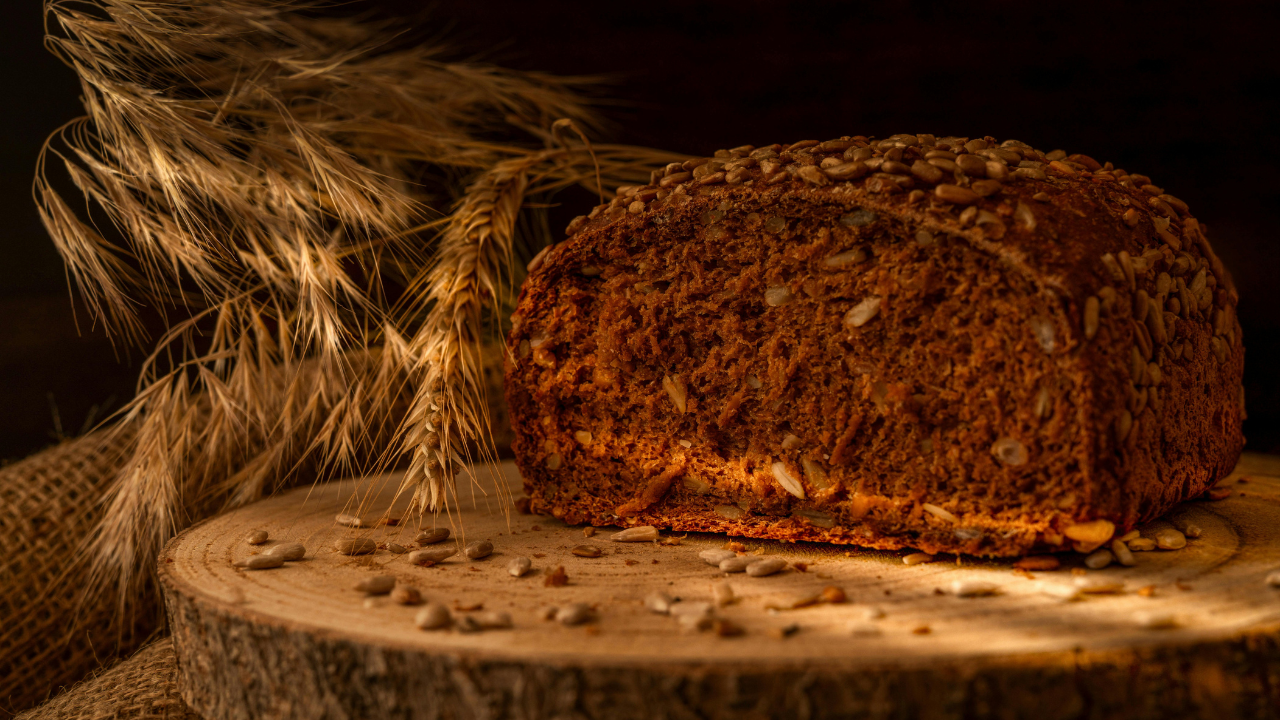
The festival later survived into the Christian era as Lammas, meaning "loaf mass," when the first bread baked from the new wheat was brought to church and blessed. Many of the outdoor gathering customs, hilltop visits, berry picking, and harvest fairs persisted in Ireland and Scotland well into the nineteenth century, which is part of how we know so much about the folk practices even though the earliest written sources are sparse.
What we do know about pre-Christian Lughnasadh comes primarily through medieval Irish texts written by Christian monks centuries after the fact, and through folklore collected much later still. So the "origin" is reasonably solid but the finer ritual details are reconstructed rather than directly attested.
Although it arrives on about August first, Lughnasadh’s energy starts pressing in a few days before, when the light begins its slow retreat and the heat of summer finally breaks into something heavier and more golden. I think of it as the moment the year invites us to ponder what we have grown. Not what we planted, or what we intended to grow. What is standing in the field right now, ready to be cut and gathered and turned into something that will feed the community through the months ahead?
There's an old story woven into this festival, the tale of the grain god who gives himself to the scythe so that the people might eat. Lugh, or in some tellings the corn king, dies into the harvest willingly. It's a strange kind of generosity, and it points to something true about this time of year. Every harvest requires a death of sorts. The wheat has to stop being a living plant swaying in the field before it can become bread on the table. Something has to end for something else to be nourished.
That's the real work of Lughnasadh: looking honestly at what you've grown this year and deciding what's ripe enough to gather, and what needs to fall to the ground so the next planting has room.
A Simple Home Ceremony for Lughnasadh
What you'll need: a loaf of bread (baked or store-bought, though baking it yourself changes the ceremony entirely), a candle in gold or deep amber, a small dish of salt, and a piece of paper with a pen.
Set the space. In the late afternoon or early evening, when the light has that thick, honeyed quality August light gets, set your bread on a plate at the center of a small altar or table. Light the candle beside it. Place the dish of salt within reach.
Name the harvest. Take the paper and write down three things you've grown or built this year that are ready to be gathered. These might be a finished project, a repaired relationship, a skill you've earned through repetition, or simply a version of yourself that took real effort to become. Say each one out loud as you write it. Naming a thing is how you claim it as real.
Break the bread. Tear a piece from the loaf with your hands rather than cutting it with a knife. As you do, say something like: This bread is a symbol of what I’ve grown. I take it in, and I am fed by my own effort. Eat the piece slowly. Dip a second piece in the salt, which is an old way of consecrating an offering, and set it aside as a gift, either burned in a fire, left outside for the birds, or buried in the earth. If you are with friends, share a few words about what you’ve grown.
Release what's spent. Look again at your paper. Below your three harvests, write one thing that needs to end now so the next season has room to grow. This might be a habit, an obligation, or a hope you've been carrying past its usefulness. Fold the paper once and hold it near the candle flame, not to burn the whole thing, just to warm it and let the heat mark it. Then set it down. The time of release is about a month away. Keep this on a home altar or in a special place so you can find it then. If you’re with friends, share what you are intending to release.
Close simply. Blow out the candle.
The grain falls. The bread rises. We are one with the turning of the season.
Sit for a few minutes until you feel ready to return to your evening.
That's the whole of it. No elaborate tools, no long invocations, just bread, fire, salt, and honesty about what the year has produced and what it means to begin the journey toward release that is coming in the months ahead.
A note about the harvest: We continue to harvest well into the fall. Keep your eyes open. Life has more to reveal about the harvest ahead and also about what is ready for release.

Read the Amazon Bestseller
Sacred Menopause is more than a book. It is a companion for the holy initiation of midlife, a guide that helps you move through confusion to clarity and confidence.
Within these pages, you’ll find stories, journal prompts, ceremonies, wisdom, and practices that honor your body, your soul, your work, and your relationships. This stage of life is the opening of a doorway into your deepest power and most luminous life.
30 Days of Simple Ceremonies
Sacred living often begins with small, meaningful gestures
This complimentary offering invites you to weave reflection and intention into everyday moments, reminding you that transformation rarely requires grandeur.